No President Ever Tried This. Trump Just Did — On Live Camera
The statements have revived longstanding tensions between political leadership and news organizations. When regulatory decisions or threats of regulatory action become connected to disputes over journalism, questions arise about whether First Amendment protections remain intact and whether government power is being used to influence editorial choices.
What Happened
In August, Trump called for the Federal Communications Commission to investigate NBC journalist Kristen Welker, claiming she had mischaracterized his record. He publicly suggested the FCC should issue a “rebuke or punishment” against the network for her reporting. NBC responded by defending Welker and reaffirming confidence in her work.
The dispute extended beyond that single incident. ABC and subsidiaries of parent company Disney filed a legal challenge against the FCC, asserting that an upcoming license review of eight ABC-owned stations constitutes retaliation connected to the network’s editorial decisions and coverage. The company argued the timing and circumstances of the review raise concerns about regulatory action targeting news judgment.
FCC Chairman Brendan Carr denied the retaliation claim, stating that agency actions focus on standard public-interest obligations broadcasters must fulfill. He emphasized that licensing reviews represent routine regulatory processes unrelated to editorial content.
The Reaction
On September 16, the Senate Commerce Committee advanced legislation designed to prevent federal officials from using their authority to pressure private companies into suppressing protected speech. The measure passed on an 18-10 vote and would allow individuals to sue federal employees accused of coercing corporations into silencing constitutionally protected expression. The bill requires approval from both the full Senate and House before it can become law.
Lawmakers from both parties expressed concern about government pressure on media organizations and technology platforms. Supporters of the legislation framed it as a defense of constitutional rights and limits on executive power, while debate centered on how to define coercion and distinguish between legitimate criticism and improper pressure.
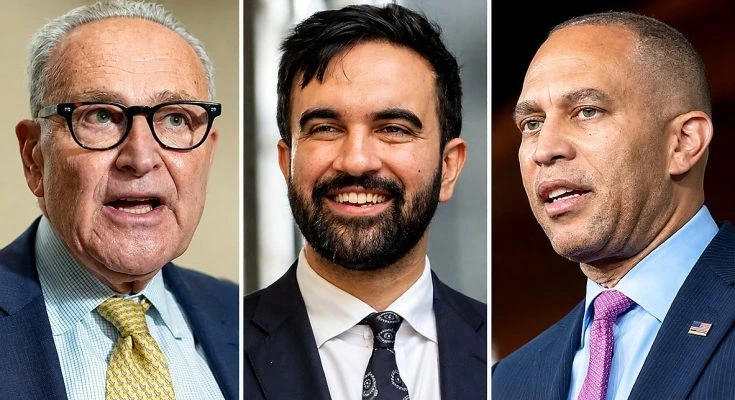
News organizations have emphasized their commitment to journalistic standards including verification of facts, clear separation between reporting and opinion, prompt corrections when errors occur, and transparency about sources and methods. Some critics have argued that media outlets must remain accountable for factual accuracy while emphasizing that government use of regulatory power raises distinct constitutional concerns.
What This Means
Presidents have historically retained the right to criticize reporters and challenge stories they view as inaccurate. Political leaders can hold news organizations accountable for errors and call for corrections. The constitutional question emerges when government regulatory mechanisms become intertwined with disputes over coverage, potentially blurring the line between legitimate criticism and official pressure tied to regulatory authority.
Courts, due process protections, and public transparency serve as essential safeguards when these tensions arise. When government agencies make decisions about licensing, investigation, or enforcement, courts can review whether those actions relate to constitutionally protected speech or editorial judgment rather than legitimate regulatory concerns.
News organizations spanning local newspapers, television stations, national networks, digital publishers, and independent journalists all depend on maintaining public access to government information without fear of official retaliation for protected reporting. Competition and disagreement between outlets remain common, yet defending shared constitutional principles becomes relevant when government action appears directed at editorial choices.
The First Amendment does not require harmony between political leaders and the press. As tensions persist between branches of government and media institutions, citizens depend on accessing facts, evidence, legal arguments, and competing claims presented clearly. Preserving that system requires courts to review government actions, citizens to evaluate multiple perspectives, and corrections to occur openly when mistakes are identified. These mechanisms protect both press independence and government accountability.