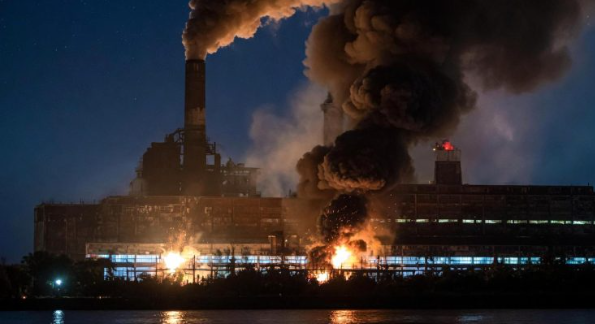
BREAKING NEWS. Maximum worldwide alert. The war begins..
How Close Is the World to a Major Global Conflict? Rising geopolitical tensions across Europe, the Middle East, and the Indo-Pacific have prompted increased debate about whether the world is edging toward a wider conflict. Capabilities but also by political miscalculations, strained alliances, and heightened uncertainty. Russia and Europe: Persistent Tensions at NATO’s Eastern Flank Israel’s War on Hamas: What to Know | Council on Foreign Relations Although Moscow has signaled occasional openness to Negotiation, progress toward peace has stalled European governments have taken increasing notice of airspace violations near NATO borders.
Incidents involving Russian aircraft entering or approaching the airspace of Estonia, Poland, and Romania have drawn firm responses from NATO officials, who describe them as part of a broader pattern of risky behavior. Confrontation, they underline the potential for misinterpretation during high-tension moments. Several countries along NATO’s eastern border-including Estonia, Latvia, Lithuania, Poland, and Finland-have begun reassessing their national defense postures. Other regional initiatives, including the redevelopment of Natural defensive barriers along the Baltic frontier, indicate a shift toward long-term security planning.
Independent analysts note that these weapons may extend Russia’s ability to project power, though many details about their capabilities remain classified or uncertain. Western governments continue to monitor these developments Despite the increased friction, most European policymakers and security scholars argue that a deliberate full-scale invasion of NATO territory remains unlikely. Instead, they caution that limited provocations or ambiguous actions could test alliance unity.
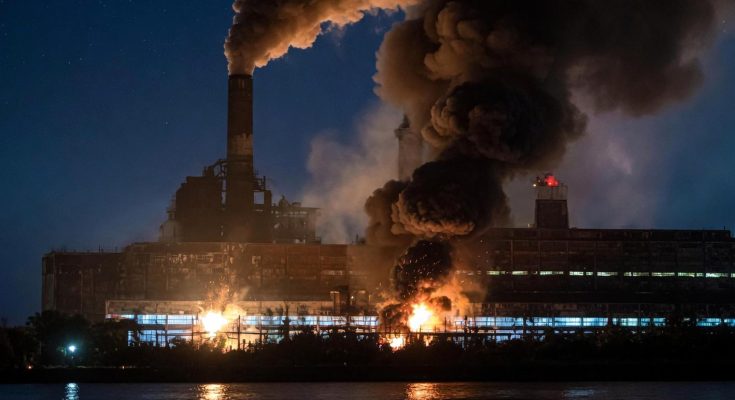
Rising Tensions Across Multiple Regions
These situations, if misinterpreted, could heighten risk even without intentional aggression. Diplomatic coordination remain key goals for NATO members. The Middle East: Fragile Ceasefires and Shifting Strategic Calculations Is the conflict in the Middle East never-ending? – Association for International Affairs Although ceasefires and negotiations have intermittently paused fighting, underlying tensions between Israel, Palestinian factions, and regional powers persist. Diplomatic initiatives led by the United States and other The relationship between Israel and Iran remains one of the most watched dynamics in global security discussions Earlier in the year, exchanges of military strikes raised fears of a broader confrontation.
Iran’s nuclear program remains a central concern. International organizations have reported that enrichment Levels and stockpiles require ongoing monitoring, and diplomatic engagement has been inconsistent Several non-state groups-historically supported in varying degrees by Iran-have experienced reduced influence due to local political developments or internal shifts. This has encouraged new strategic debates within Tehran, particularly regarding deterrence and regional posture. For the United States, the objective continues to be promoting Diplomatic channels remain active, but long-term solutions remain challenging.
Although tensions may flare intermittently, many Middle East specialists emphasize that broader regional interests favor maintaining stability rather than pursuing escalation. China and the Indo Pacific: The Strategic Importance of Taiwan Taiwan China Tensions and the Indo Pacific: The Rising Stakes and India’s Strategic Role – The Indo Pacific Studies Center