
Full article here: BREAKING Donald Trump Gets More Bad News
In today’s media landscape, headlines announcing political setbacks generate significant public attention, but understanding their actual meaning requires examining the underlying facts rather than relying on attention-grabbing language alone.
Politics has become deeply integrated into daily life, with decisions by elected officials affecting economic policy, foreign affairs, healthcare, and taxation. As a result, developments involving major political figures frequently attract substantial media coverage and public interest.
How Headlines Shape Understanding
The phrase “gets bad news” combines urgency with ambiguity, prompting readers to seek details about what occurred and why it matters. Without context, such headlines provide minimal actual information about the nature of the development.
“Bad news” in political coverage can refer to polling results, legal proceedings, policy setbacks, legislative defeats, fundraising challenges, or shifts in voter sentiment. Each represents distinctly different circumstances requiring separate analysis.
Media literacy plays a critical role in interpretation. Readers who encounter emotionally charged headlines benefit from examining the underlying facts before drawing conclusions about significance or impact.
The Speed-Accuracy Challenge
Political news evolves rapidly, with information from the morning often updated by afternoon as additional facts emerge. Statements from officials, court rulings, government reports, and campaign announcements can all reshape narratives substantially.
News organizations face competing pressures to report developments quickly while maintaining accuracy and verification. Responsible reporting depends on balancing speed with the time needed to consult sources and provide proper context.
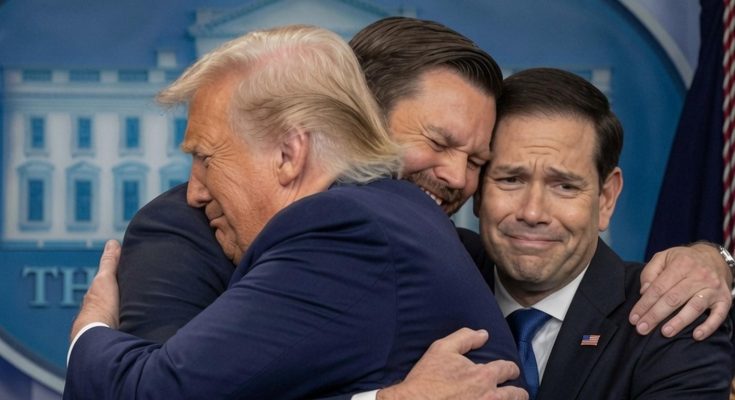
Social media has accelerated information spread, allowing stories to reach millions within minutes. This velocity creates opportunities for engagement but increases risks of misinterpretation or incomplete understanding.
Interpreting Political Developments
Supporters and critics frequently interpret identical events in dramatically different ways. A development viewed as significant by one group may be considered insignificant by another, contributing to ongoing public debate.
Political fortunes shift constantly through elections, court decisions, policy debates, economic indicators, and public opinion surveys. What appears major one day may be overshadowed by subsequent developments.
For readers, focusing on evidence rather than assumptions provides the most effective approach. Asking whether claims are verified by sources, what specific facts support the narrative, and what context is missing helps distinguish substantive reporting from sensationalism.
Moving Beyond Headlines
Headlines serve as entry points rather than complete stories, with understanding political events requiring context, evidence, and careful analysis. The most valuable reporting provides clarity about what happened, why it matters, and what may follow.
In a media environment driven by speed and competition, readers benefit most by moving beyond attention-grabbing language to focus on verified information and substantive analysis.
This story has been updated. CNN’s Digital team contributed to this report.