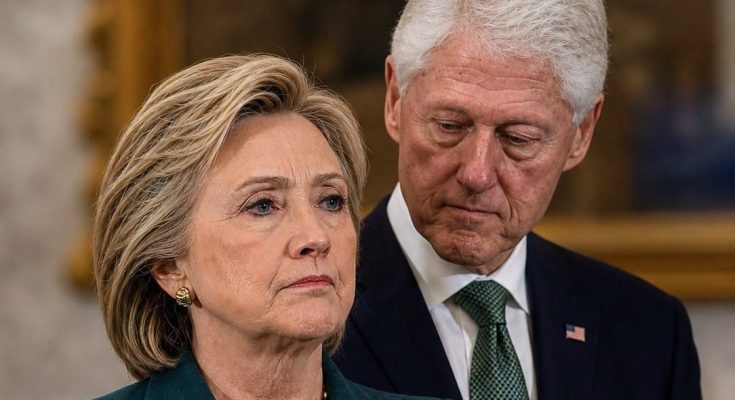
Republicans Mulling DC Grand Jury Outcomes For Clinton Prosecution
House Republicans weighed potential criminal contempt referrals against the Clintons after they initially declined congressional subpoenas related to an investigation into Jeffrey Epstein and institutional failures surrounding his crimes.
The House Oversight Committee issued subpoenas to both Bill and Hillary Clinton as part of a broader examination of Epstein and the individuals and institutions connected to him. In January 2026, the committee voted on contempt recommendations after scheduled appearances did not occur.
How the Process Works
A House committee can approve a contempt report, which then moves to a full House vote on a resolution. If the House adopts a criminal contempt referral, the matter transfers to the executive branch, where prosecutors determine whether to pursue charges. A referral does not guarantee an indictment, and an indictment does not establish guilt.
Supporters of the contempt action argued that congressional subpoenas must carry legal weight regardless of a witness’s political status. Lawyers for the Clintons challenged the committee’s approach and negotiated over testimony terms, creating both a substantive investigation and an institutional dispute over Congress’s investigative authority.
What Actually Occurred
The Clintons subsequently agreed to provide depositions following negotiations conducted while contempt proceedings remained possible. Hillary Clinton testified before House investigators in February 2026, stating she had no knowledge of Epstein’s or Ghislaine Maxwell’s crimes. Bill Clinton was also scheduled for questioning.
The sequence matters because political warnings about potential prosecution can quickly become outdated. The committee’s initial pressure was real, but so was the later compliance achieved through negotiation.
The Grand Jury Speculation
Commentators speculated about how a criminal contempt referral might be received by prosecutors and jurors in Washington, DC, with some arguing the city represented unfavorable political terrain for a case against prominent Democrats. Federal grand juries hear evidence presented by prosecutors and determine whether probable cause exists; they do not decide guilt at trial.
Grand jury proceedings remain secret, and outside observers typically do not know what evidence was presented or how jurors reasoned. Political predictions about juror behavior cannot substitute for official filings and court records.
Broader Congressional Questions
The episode renewed debate over whether congressional subpoenas are enforced consistently across political affiliations. A credible system requires clear legal authority, fair procedures, and standards that do not shift based on a witness’s identity.
An investigation involving Epstein demands particular care, as the public interest in understanding institutional failures is substantial. Association with a person, a photograph, or a name in a file does not by itself prove participation in a crime. Responsible reporting distinguishes between verified facts, sworn testimony, allegations, and partisan interpretation.
This story has been updated. CNN’s Editorial staff contributed to this report.